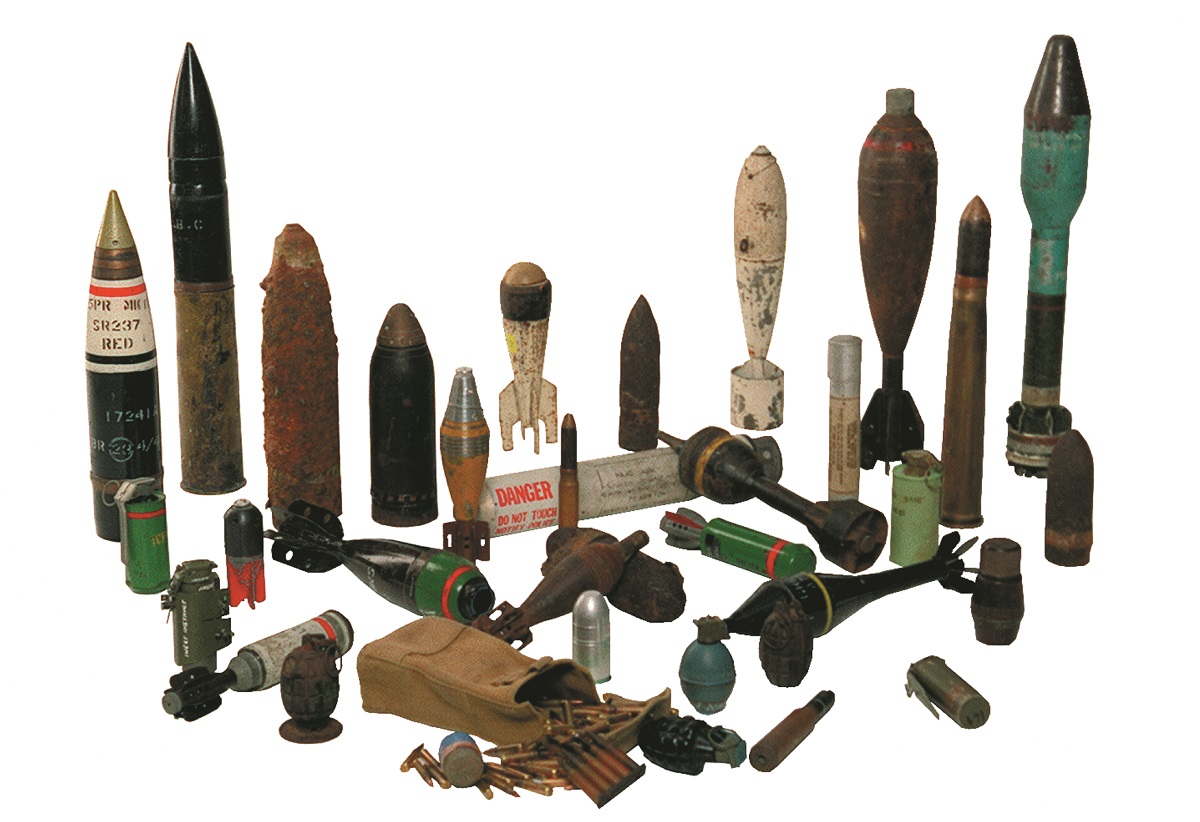
Unexploded ordnance refers to military munitions that failed to detonate when originally deployed. These items may remain buried underground for many decades following wartime bombing or military activity.
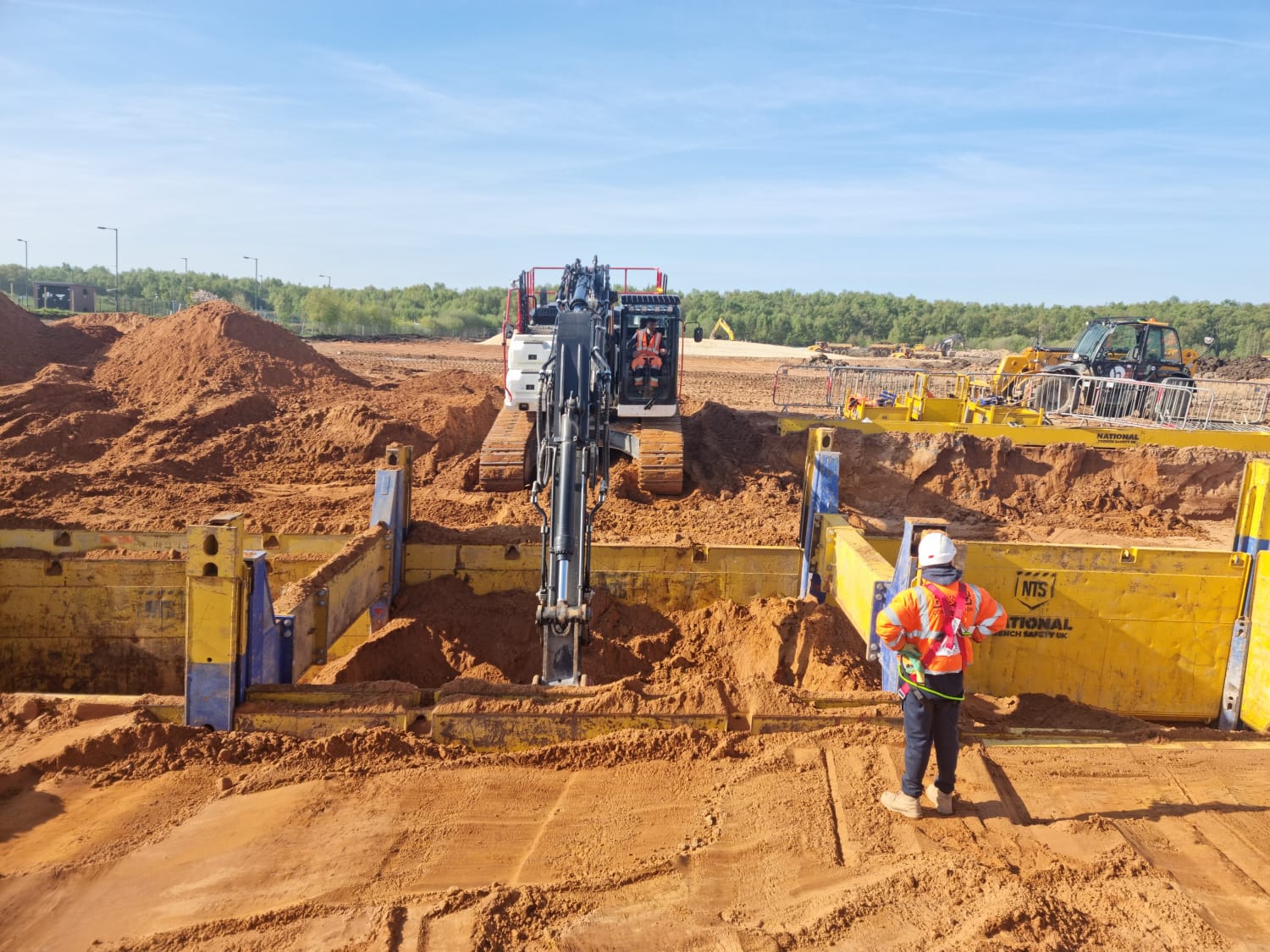
While many sites across the UK were affected by wartime operations, unexploded ordnance is most likely to be encountered during ground disturbance such as excavation, trenching or foundation works.
UXO risk should be considered during the early planning stages of many development projects, particularly where excavation or deep groundworks are required.
Construction sites that may be affected include:
• Housing developments
• Infrastructure projects
• Utilities and service installations
• Redevelopment of brownfield land
• Sites within areas affected by WWII bombing
Understanding potential UXO risk early allows appropriate mitigation measures to be incorporated into the project programme
In many cases, construction projects may require specialist support where UXO risk has been identified.
A UXO specialist may provide services such as:
• UXO risk assessments
• UXO watching briefs during excavation
• Intrusive investigation works
• Detection surveys
• Safety advice and procedures for site teams
These measures help ensure construction works can proceed safely while minimising disruption to the project schedule.
If suspected unexploded ordnance is discovered during excavation or groundworks, work should stop immediately and appropriate safety procedures should be followed.
Construction personnel should not attempt to move or disturb suspected ordnance.
A UXO specialist should be contacted to assess the situation and determine the appropriate course of action.
Developers, contractors and site managers often have questions about how UXO risk is assessed and managed during construction projects.
Common questions include:
• How common is UXO in the UK?
• Do all construction sites need UXO assessments?
• What happens if a bomb is discovered during excavation?
• Who is responsible for UXO risk on a project?